
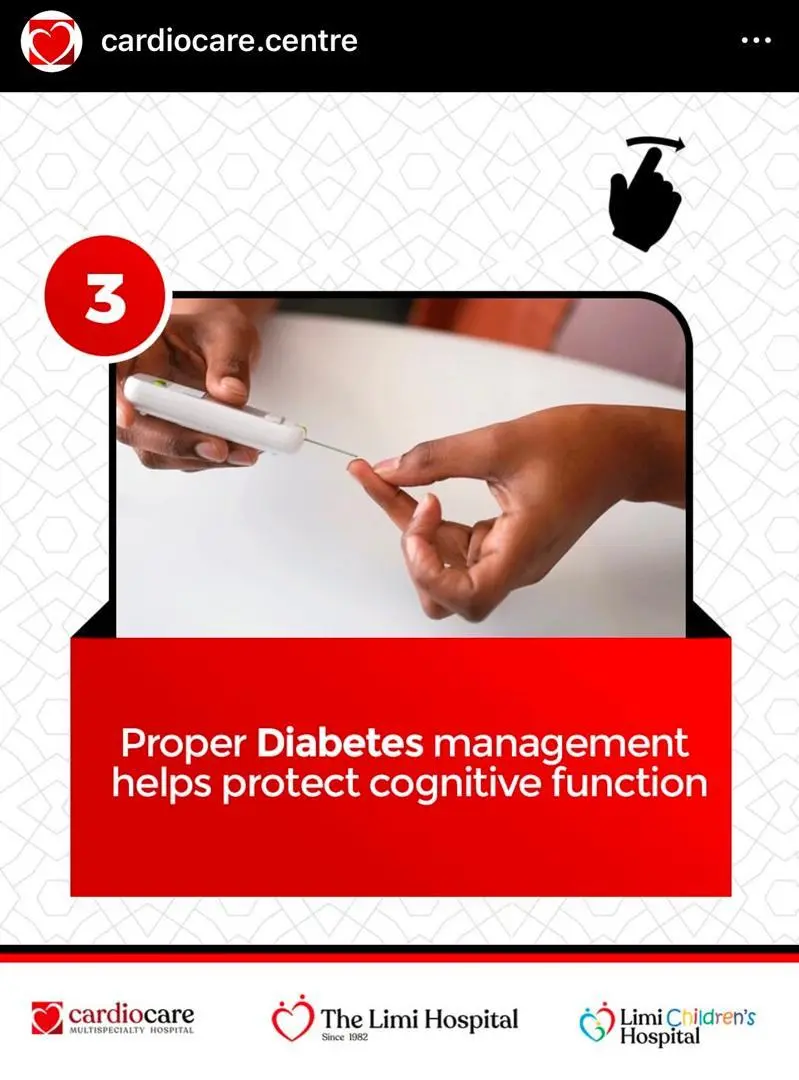
Making sense of a home blood-glucose log
The time of a glucose reading matters almost as much as the number.
Why a home glucose log matters
A single glucose reading is a snapshot; a well-kept log is the moving picture. Recording the timing, the reading, your medicines, meal context and symptoms together turns scattered numbers into a pattern your diabetes team can actually act on.
Blood glucose naturally rises and falls through the day — it is not meant to be a flat, single number. A result may be fasting (before eating, first thing in the morning), pre-meal, post-meal (checked one to two hours after eating), or random (taken at any time, often when a symptom prompts it). The same number means different things depending on which of these it is, which is why the time and context matter almost as much as the reading itself. A log that only records numbers without timing tells your care team far less than one that records the full picture.
Decisions about adjusting insulin doses, tablets, diet or activity are rarely made from one isolated value. A pattern seen over days or weeks — readings consistently high before breakfast, for example, or a dip every afternoon — is far more useful and far safer to act on than a single number taken out of context. This is also why bringing your log to every visit, rather than only describing how you "generally feel," gives your care team something concrete to work from.
How to keep a log correctly
- ✓Record the date, time, and reading together — a number alone is much less useful
- ✓Note whether each reading was fasting, before a meal, after a meal, or random
- ✓Log the unit as mmol/L or mg/dL, and do not compare numbers recorded in different units without converting first
- ✓Record any symptoms felt at the time — shakiness, sweating, unusual thirst, tiredness
- ✓Note medicine doses and timing, and anything unusual — illness, travel, fasting, a missed meal, alcohol, or a change in activity
- ✓Keep readings consistent with the timing your care team has asked for, rather than testing at random times only
Wash and dry your hands before testing where possible — food residue on fingers can distort a reading — and store test strips as directed, since heat and humidity can affect their accuracy.
What the numbers mean
Your care team sets a personal target range for you, based on your type of diabetes, age, other health conditions and risk of low readings — there is no single range that fits everyone, so use the figures your clinician has given you as the primary guide. As general orientation, many care teams work with ranges in the region of 4–7 mmol/L (70–126 mg/dL) before meals and under about 8.5–10 mmol/L (153–180 mg/dL) two hours after meals, but your own target may reasonably sit outside this.
A single high or low reading is not necessarily alarming on its own — illness, stress, a large meal, exercise or a missed dose can all move a single number. What matters more is the pattern: repeated readings outside your personal range, symptoms that occur at a similar time each day, or changes that track with illness, fasting or a medicine adjustment.
When to act on a low reading: A reading below 4 mmol/L (70 mg/dL) is a hypo — take fast-acting sugar now and recheck in 15 minutes. If the person is drowsy, confused, unable to swallow safely or loses consciousness, go to the nearest emergency department immediately — do not drive yourself. Call our 24/7 emergency line on +234 806 142 4614 to tell us you are coming.
Do not wait if this happens
- Severe illness, confusion, collapse, persistent vomiting or difficulty breathing
- Fast, deep breathing with a fruity-smelling breath — a possible sign of diabetic ketoacidosis
- Repeated very high or very low readings that do not respond to your usual corrective steps
- A low reading in someone who cannot safely swallow, or who loses consciousness
Go to the nearest emergency department immediately — do not drive yourself. Call Cardiocare's 24/7 emergency line on +234 806 142 4614 (staffed around the clock) to tell us you are coming.
Call Cardiocare 24/7How Cardiocare uses your log
Bringing a consistent log to your appointment changes what your care team can do with your results. Depending on what the pattern shows, review may include:
- 01Review of meter technique and strip storage. A surprising number of unusual readings trace back to technique or improperly stored strips rather than glucose itself.
- 02Comparison with laboratory glucose. Where a meter reading is in doubt, a laboratory sample confirms it.
- 03HbA1c for the longer-term picture. This blood test estimates your average glucose over roughly the preceding two to three months, complementing your day-to-day log.
- 04Kidney, eye, nerve, heart and foot risk review. Since sustained high glucose can affect all of these over time, regular screening catches problems early.
Practical next steps
- ✓Keep medicine and meal timing consistent with your agreed plan, since irregular timing makes patterns harder to read
- ✓Bring your log, whether written or from a meter's memory, to every appointment
- ✓Contact your care team before making major treatment changes based on your own readings
- ✓Build testing into a routine — the same times each day make trends easier to see than testing only when you remember
- ✓If you use a smartphone app or meter memory instead of paper, check it can be easily reviewed with your care team
Special situations worth logging carefully
Some situations make readings less predictable and more important to record accurately: illness or infection, which can raise glucose even without eating more; religious or other fasting, which needs a plan agreed with your care team beforehand rather than simply skipping medicine; travel, which disrupts meal and medicine timing; and hot weather, which can affect both how you feel and, in some cases, insulin storage and glucose meter accuracy. Note these situations in your log so a pattern is not misread as a routine change.
Preparing for your appointment
What to bring
- ✓Your written log or meter/app, ready to show your care team
- ✓A list of all medicines you take, including herbal and over-the-counter preparations
- ✓Any previous HbA1c or laboratory glucose results
- ✓Your HMO card and a valid means of identification
What we will ask
How your readings have trended, any symptoms of high or low glucose, how consistently you have taken your medicines, and anything unusual — illness, fasting, travel or changes in activity — during the logging period.
Questions worth asking us
- ●What is my personal target range, and does it need adjusting?
- ●Does my log show a pattern that changes my treatment?
- ●How often should I be testing, and at what times?
- ●What should I do differently during illness, fasting or travel?