01
A new diabetes or prediabetes result
↗
Practical, specialist-led diabetes care connected to heart, kidney, nerve, eye and foot-risk assessment.
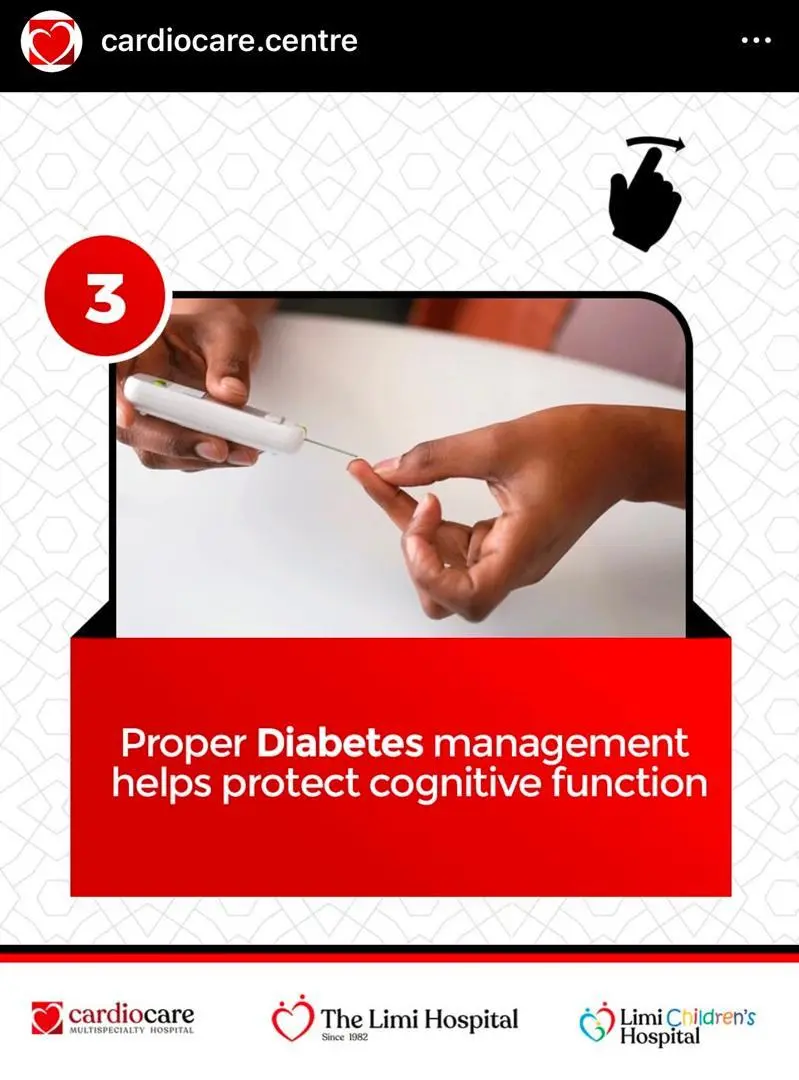
Diabetes management is more than lowering one blood-sugar reading. Our pathway reviews the type of diabetes, medicines, home readings, nutrition, kidney function, cardiovascular risk and possible complications, then creates a plan the patient and family can realistically follow.
Internal medicine and its subspecialties investigate adult health problems that may be complex, recurring or linked across the heart, lungs, kidneys, brain, hormones, digestion and immune system. The value is not simply having several doctors—it is having them work from one coordinated clinical picture.
Complex symptoms can be exhausting, especially when care feels fragmented. We organise the information, explain what is known and unknown, and coordinate the next useful step.
These are common starting points, not a diagnostic checklist. The right assessment depends on the full clinical picture.
A new diabetes or prediabetes result
↗Home glucose readings that stay outside the target agreed with your clinician
↗Frequent thirst, urination, blurred vision or unexplained tiredness
↗Difficulty using insulin or other diabetes medicines
↗Diabetes together with heart or kidney disease
↗Numbness, burning, colour change or a wound on the foot
↗Every capability is selected according to clinical need. Your team should explain why a test, treatment or referral is being considered.
Covers type 1, type 2 and pregnancy-related diabetes across all stages of care.
→Supports patients from a new diagnosis through to diabetes that has been difficult to control.
→Insulin is started, adjusted and taught hands-on until injection technique is confident.
→Oral and injectable diabetes medicines are reviewed and adjusted as control and needs change.
→HbA1c and home glucose monitoring results are reviewed alongside other laboratory tests to guide treatment.
→Screens for the heart, kidney, nerve and eye complications diabetes can cause over time.
→Practical education helps patients and families manage diabetes day to day.
→Covers medicine adjustments for sick days, fasting periods and travel.
→Foot risk is checked routinely, with rapid referral if a wound or ulcer is found.
→Complex medicine feels more manageable when every stage is visible and every question has a place.
History, examination, existing diagnoses, medicines and patient priorities are reviewed together.
Laboratory, imaging and physiological tests are chosen to answer specific questions.
Relevant subspecialists join without fragmenting the overall plan.
The team balances benefits, interactions, side effects and practical daily management.
Reports, follow-up and back-referral help the patient and referring clinician stay informed.
Diabetes affects blood vessels, nerves, kidneys, eyes, feet and the heart. Good care combines glucose management with cardiovascular and kidney protection, complication screening, medicine teaching and practical routines that fit the patient’s life in Nigeria.
Type 1, type 2, pregnancy-related and other forms of diabetes require different treatment. Home readings, HbA1c, symptoms and medicines help show the pattern over time.
Tablets, insulin and other injectable medicines work best when patients understand timing, storage, technique, missed doses and what to do during illness or fasting.
Blood pressure, cholesterol, kidney function, nerve health, eyes and feet are part of diabetes care because complications may develop quietly.
Advice should fit familiar foods, work, travel, faith practices, cost and family routines. A plan that cannot be followed is not a useful plan.
These are common reasons to arrange an assessment. They do not confirm a diagnosis, and the appropriate starting team may change after clinical review.
Cardiocare brings the relevant specialists, investigations, treatment and follow-up into one documented plan.
We review the diabetes type, symptoms, medicines, readings, kidney function and cardiovascular risk.
→Targets are individual. The clinician explains what to track and which changes should prompt contact.
→Patients and families receive clear guidance on medicines, monitoring, food, activity and sick-day planning.
→Heart, kidney, nerve, eye and foot checks are organised according to clinical need.
→Follow-up uses trends and lived experience—not one isolated number—to refine the plan.
The strongest advantage is not one department. It is the ability to bring the right departments together quickly and safely.
Cardiology, nephrology and diabetology coordinate when risks and medicines overlap.
Wounds, infection or poor circulation can move quickly into wound, surgical and vascular assessment.
Coming with the patient portal: securely record home blood pressure, glucose, pulse and weight to support more informed clinic conversations.
Go to the nearest emergency department immediately — do not drive yourself. Call our 24/7 emergency line on +234 806 142 4614 to tell us you are coming.
Our diabetology programme sits inside a cardiovascular multispecialty hospital, allowing endocrinology, cardiology, nephrology, neurology, vascular intervention, surgery and critical care to respond together when diabetes affects more than blood sugar. This is why patients, families and referring clinicians choose Cardiocare for care that may need more than one specialist or facility.
Consultation, diagnostics, intervention, surgery, ICU/HDU, dialysis and recovery can coordinate without fragmenting the patient journey.
Advanced catheter, device and surgical expertise—including Northern Nigeria’s first cardiac left bundle branch pacing—reflects a culture of clinical progress.
Round-the-clock emergency, ICU and HDU support surrounds patients whose needs may change quickly.
Cardiology works alongside nephrology, endocrinology, neurology, pulmonology, surgery and other specialists when one diagnosis is not the whole story.
International-level cardiovascular capability in Abuja helps families avoid unnecessary travel abroad and remain closer to their support system.
Plain-language teaching, patient guides, support programmes and professional education turn expertise into confidence.
Open each question for a straightforward explanation. Your own clinician should still interpret what it means for you.
Ask the Cardiocare teamThis service is dedicated to ongoing, detailed diabetes management — medicine teaching, home monitoring, complication screening and foot-risk care. Endocrinology & Diabetes Care also covers wider hormone conditions such as thyroid, adrenal and pituitary disorders.
A baseline review covers the type of diabetes, symptoms, medicines, readings, kidney function and cardiovascular risk, then personal targets are agreed with you.
Heart, kidney, nerve, eye and foot checks are organised according to clinical need and your individual risk, rather than a fixed schedule for everyone.
A hot, swollen, discoloured or infected-looking foot, or a wound with fever or spreading redness, needs same-day attention rather than waiting for a routine appointment.
Prepare questions, understand warning signs and revisit explanations at your own pace.
This page is educational and cannot diagnose a condition or determine which treatment is right for an individual. A clinician must assess symptoms, results, medicines and overall health. Severe or rapidly worsening symptoms need urgent care.
Emergency? Go to the nearest emergency department — do not drive yourself. Our cath lab is on standby 24/7.
Call 24/7: +234 806 142 4614