
Understand what is happening. Know what to do next.
A growing Nigerian patient-education repository covering warning signs, heart conditions, investigations, procedures, surgery, kidney care and confident long-term living—explained without unnecessary medical jargon.
Education that leads to the right care.
We believe informed patients ask better questions, recognise important changes earlier and participate more confidently in their care. Every guide connects to a relevant Cardiocare capability while making clear that online information cannot replace individual assessment.
Start with what you are noticing.
Familiar questions, everyday language and specialist pathways—so the next step feels clearer.
Chest pain: when should you act?
Chest discomfort has many possible causes, but some need urgent heart assessment.
Read the guide 02Shortness of breath: heart, lungs or something else?
Breathlessness can reflect a heart, lung, blood, kidney or metabolic problem.
Read the guide 03Palpitations and a racing or skipping heartbeat
Most palpitations are not immediately dangerous, but rhythm problems should not be guessed.
Read the guide 04Fainting and dizziness: when the heart may be involved
Loss of consciousness or near-fainting can come from blood pressure, rhythm, neurological or metabolic causes.
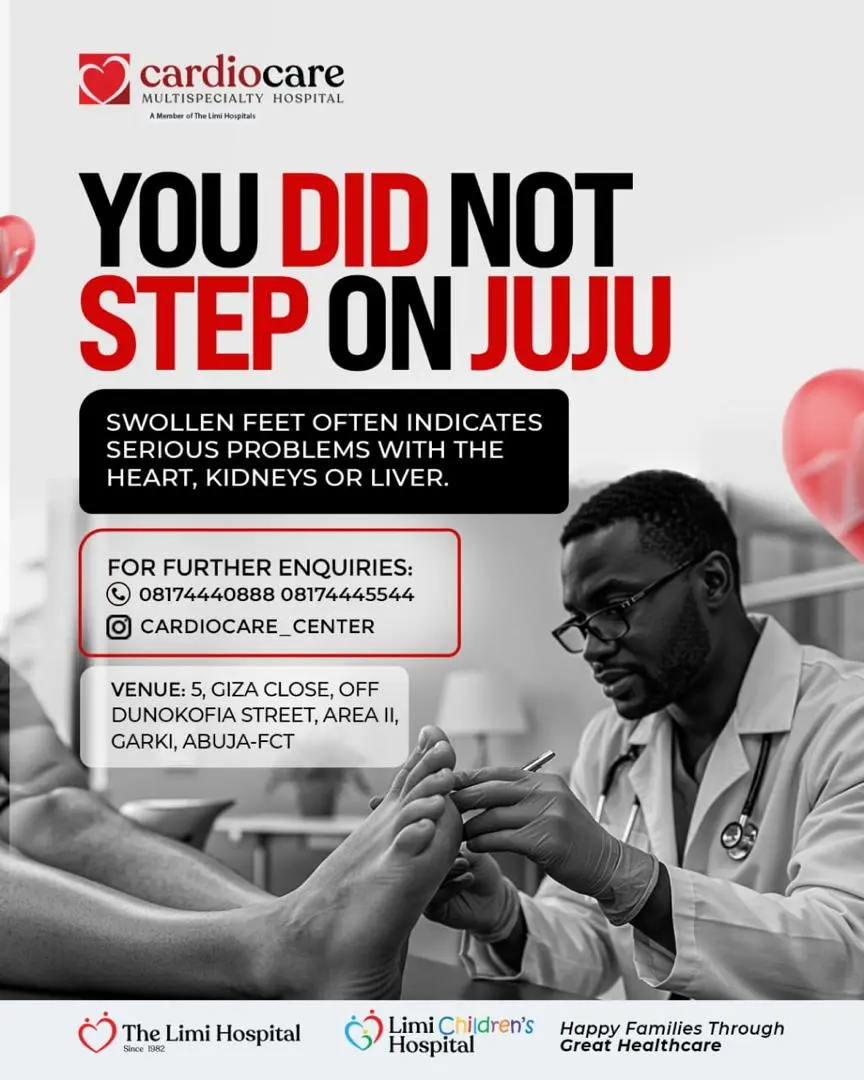
Read the guide 05Swollen feet and legs: what can it mean?
Leg swelling can relate to the heart, kidneys, veins, liver, medicines or prolonged sitting.
Read the guide 06High blood pressure often has no symptoms
Feeling well does not mean blood pressure is normal.
Read the guide 07Possible diabetes symptoms and when to test
Diabetes can be silent, gradual or first noticed through complications.
Read the guide 08DVT: recognising a possible clot in the leg
A new one-sided swollen, painful or warm leg needs timely assessment.
Read the guideRecognising possible heart-attack warning signs
Fast recognition and urgent hospital assessment can protect heart muscle.
Read the guide 02Stroke warning signs: think FAST
Sudden facial weakness, arm weakness or speech difficulty needs emergency assessment.
Read the guide 03Cardiac arrest: recognising an immediate emergency
A person who is unresponsive and not breathing normally needs immediate emergency action.
Read the guideHeart failure explained simply
Heart failure means the heart is not pumping or filling as effectively as the body needs.
Read the guide 02Coronary artery disease
Narrowing of the arteries supplying the heart can reduce blood flow and cause angina or heart attack.
Read the guide 03Understanding angina
Angina is chest discomfort caused by insufficient blood flow to the heart muscle.
Read the guide 04Arrhythmias: abnormal heart rhythms
An arrhythmia is a heartbeat that is too fast, too slow or irregular.
Read the guide 05Atrial fibrillation
Atrial fibrillation is a common irregular rhythm that may increase stroke risk.
Read the guide 06Heart valve disease
Heart valves keep blood moving in the right direction; narrowing or leakage can strain the heart.
Read the guide 07Cardiomyopathy: disease of the heart muscle
Cardiomyopathy can make the heart enlarged, thickened, stiff or weak.
Read the guide 08Understanding hypertension
Repeatedly high blood pressure can damage organs even when you feel well.
Read the guide 09Peripheral artery disease
Narrowed arteries can reduce blood flow to the legs and may signal wider vascular disease.
Read the guideDiabetes and cardiovascular health
Diabetes can affect arteries, heart muscle, kidneys and nerves, sometimes without obvious warning.
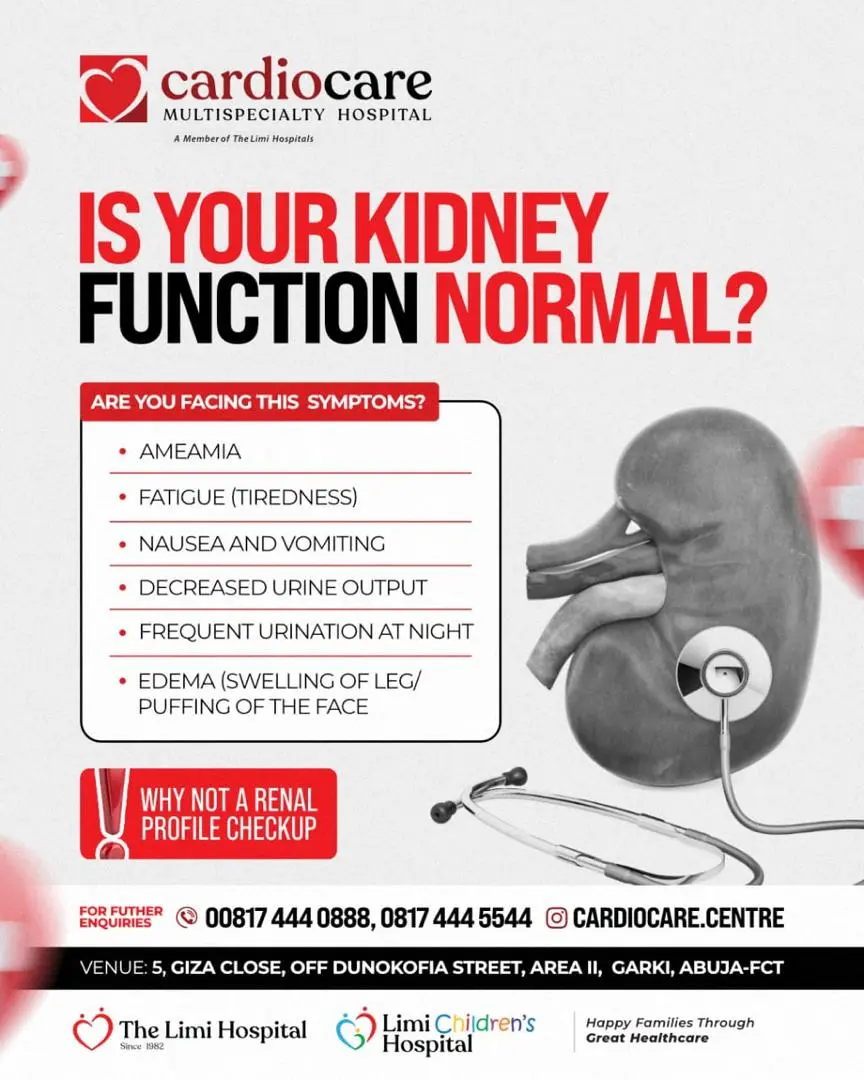
Read the guide 02The heart–kidney connection
Heart and kidney problems can worsen each other through blood pressure, circulation and fluid balance.
Read the guide 03Cholesterol and blocked arteries
High LDL cholesterol contributes to plaque formation in arteries.
Read the guideCoronary angiography: what to expect
An angiogram shows the cardiology team where heart arteries are narrowed or blocked.
Read the guide 02What happens in a cardiac catheterisation laboratory?
A cath lab is a specialised procedure room for minimally invasive heart and blood-vessel tests and treatments.
Read the guide 03Echocardiography: what an ultrasound of the heart can show
An echocardiogram uses sound waves to examine heart structure, valves, blood flow and pumping function.
Read the guide 04Angioplasty and coronary stents
PCI uses a balloon and usually a stent to improve blood flow through a selected narrowed heart artery.
Read the guide 05Pacemakers: a patient’s guide
A pacemaker supports selected slow or unreliable heart rhythms.
Read the guide 06Living with an ICD
An ICD monitors dangerous rhythms and can deliver treatment when needed.
Read the guide 07Holter monitoring: recording your rhythm at home
A Holter monitor records heart rhythm during normal daily activity.
Read the guide 0824-hour blood-pressure monitoring
ABPM records blood pressure through the day and night.
Read the guidePreparing for cardiac surgery
Good preparation helps the team reduce avoidable risk and plan recovery.
Read the guide 02CABG: understanding bypass surgery
Bypass surgery creates new routes for blood to reach heart muscle beyond blocked arteries.
Read the guide 03Heart valve repair and replacement
Valve surgery treats selected severe narrowing or leakage.
Read the guide 04Recovering after heart surgery
Recovery is gradual and includes wound care, breathing exercises, activity and emotional adjustment.
Read the guideLiving well with heart failure
Daily monitoring, medicines, support and early response to changes can improve confidence.
Read the guide 02Living confidently with a pacemaker
Most people return to normal daily activities after healing, with regular device follow-up.
Read the guide 03Heart-healthy living in everyday Nigerian life
Small sustainable choices matter more than short, extreme plans.
Read the guide 04Using heart medicines safely
Heart medicines work best when taken consistently and reviewed openly.
Read the guideHaemodialysis: what patients should know
Dialysis removes waste and excess fluid when kidneys cannot do enough of this work.
Read the guide 02Kidney transplant: beginning the journey
Transplant evaluation checks whether the operation and long-term treatment are suitable and safe.
Read the guide 03Kidney transplant evaluation: why there are many steps
Careful preparation protects the recipient, donor and transplanted kidney.
Read the guide 04Living after a kidney transplant
The operation is a beginning; medicines and follow-up protect the kidney for the long term.
Read the guideMaking sense of a home blood-glucose log
The time of a glucose reading matters almost as much as the number.
Read the guide 02HbA1c: the longer view of blood glucose
HbA1c estimates the average glucose pattern over the preceding weeks and months.
Read the guide 03Diabetic foot: small changes deserve early attention
Early foot assessment can prevent a small problem becoming a major threat to mobility.
Read the guideErectile dysfunction and heart health: an important connection
Difficulty getting or maintaining an erection can be treatable—and may be a reason to review cardiovascular health.
Read the guide 02Beyond the chest: how cardiovascular ill health can affect everyday life
Heart and blood-vessel conditions can affect energy, thinking, sleep, sexual health, kidneys, mobility and emotional wellbeing.
Read the guide