01
A diabetic foot ulcer, blister or wound that is slow to heal
↗
Rapid, coordinated assessment of diabetic foot wounds, infection, nerve damage and poor circulation.
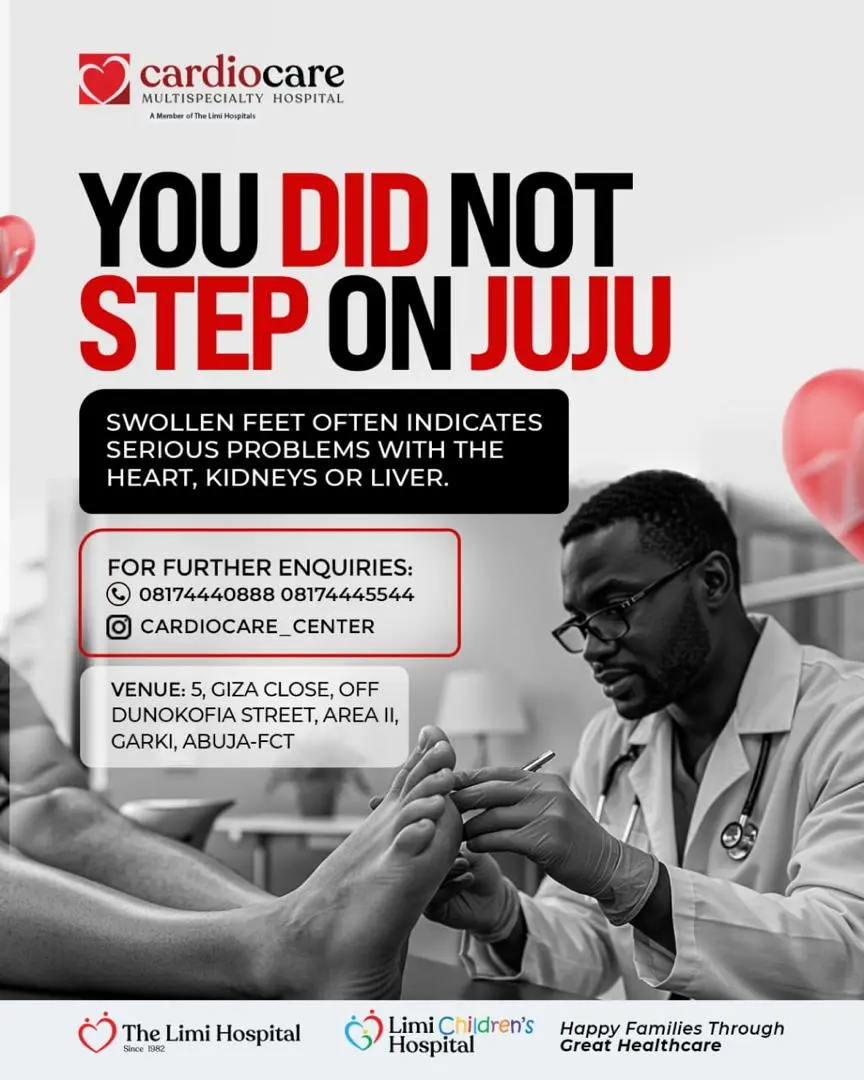
A small blister, crack or wound can become serious when diabetes reduces sensation, circulation or infection control. The safest approach is early assessment—not waiting for pain, because nerve damage may make a dangerous wound feel surprisingly mild.
Advanced surgical care begins with specialist review and an honest discussion of benefits, risks and alternatives. When surgery is appropriate, preparation, anaesthesia, theatre, postoperative monitoring, pain management and rehabilitation become one connected pathway.
A surgical recommendation should never feel like a rushed instruction. Patients and families deserve time to understand why it is being considered and what recovery may involve.
These are common starting points, not a diagnostic checklist. The right assessment depends on the full clinical picture.
A diabetic foot ulcer, blister or wound that is slow to heal
↗Numbness, tingling or reduced sensation in the feet
↗A foot with poor circulation, coldness or colour change
↗Spreading redness, discharge, odour or swelling suggesting infection
↗A second opinion about whether or when limb-preservation surgery is needed
↗Ongoing foot care and monitoring for a known diabetic foot risk
↗Every capability is selected according to clinical need. Your team should explain why a test, treatment or referral is being considered.
Diabetes control and the foot wound are assessed together in the same visit.
→Pulses, sensation and signs of infection are checked to grade the severity of a foot problem.
→Laboratory tests and imaging are used to assess infection, bone involvement and healing potential.
→Vascular ultrasound and angiography assess blood flow to the leg and foot when circulation is in question.
→Selected patients with poor circulation are offered catheter-based treatment to improve blood flow to the limb.
→A wound-care plan covers dressing changes, pressure offloading and monitoring for healing.
→Surgical opinion and infection management are arranged promptly when a wound is not improving.
→Kidney function, heart health and blood glucose are optimised alongside wound treatment.
→Ongoing education on footwear and foot checks supports prevention of future ulcers.
→Complex medicine feels more manageable when every stage is visible and every question has a place.
The surgeon reviews symptoms, examination and imaging before recommending an operation.
Benefits, risks, non-surgical alternatives and expected recovery are explained.
Anaesthesia and medical teams optimise health and plan monitoring.
The theatre team works from a clear procedural and safety plan.
Ward or ICU/HDU care, rehabilitation and follow-up support healing and function.
Diabetes may reduce feeling, blood flow and the body’s ability to fight infection. Because nerve damage can hide pain, a wound may be more serious than it feels. Early coordinated care gives the best opportunity to control infection, restore circulation where possible and protect mobility.
Nerve damage can make a blister, burn, tight shoe or small cut difficult to notice. Daily inspection helps identify change before it grows.
Narrowed leg arteries can make the foot cold, painful or slow to heal. Vascular assessment helps determine whether blood flow needs treatment.
Warmth, swelling, discharge, odour, skin colour change or fever needs prompt assessment. Waiting for severe pain can be unsafe.
Wounds may need pressure relief, appropriate dressings, glucose control, infection treatment and sometimes a procedure—not repeated home remedies.
These are common reasons to arrange an assessment. They do not confirm a diagnosis, and the appropriate starting team may change after clinical review.
Cardiocare brings the relevant specialists, investigations, treatment and follow-up into one documented plan.
The team checks circulation, sensation, infection and whether the problem needs urgent admission.
→Laboratory tests, imaging and vascular studies clarify depth, infection and blood flow.
→Glucose, infection, pressure, kidney function, nutrition and cardiovascular risk are addressed together.
→Selected patients may benefit from peripheral angiography, balloon treatment or stenting.
→Wound review, footwear guidance, foot checks and diabetes follow-up support long-term protection.
The strongest advantage is not one department. It is the ability to bring the right departments together quickly and safely.
The cath-lab team can assess and treat selected circulation problems through minimally invasive techniques.
Endocrinology and nephrology help manage conditions that affect healing and medicine choices.
Urgent infection or complex illness can escalate within the same hospital system.
Go to the nearest emergency department immediately — do not drive yourself. Call our 24/7 emergency line on +234 806 142 4614 to tell us you are coming.
Cardiocare can connect diabetology, vascular intervention, surgery, imaging, laboratory, nephrology and critical care around the shared goal of healing wounds and preserving function wherever clinically possible. This is why patients, families and referring clinicians choose Cardiocare for care that may need more than one specialist or facility.
Consultation, diagnostics, intervention, surgery, ICU/HDU, dialysis and recovery can coordinate without fragmenting the patient journey.
Advanced catheter, device and surgical expertise—including Northern Nigeria’s first cardiac left bundle branch pacing—reflects a culture of clinical progress.
Round-the-clock emergency, ICU and HDU support surrounds patients whose needs may change quickly.
Cardiology works alongside nephrology, endocrinology, neurology, pulmonology, surgery and other specialists when one diagnosis is not the whole story.
International-level cardiovascular capability in Abuja helps families avoid unnecessary travel abroad and remain closer to their support system.
Plain-language teaching, patient guides, support programmes and professional education turn expertise into confidence.
Open each question for a straightforward explanation. Your own clinician should still interpret what it means for you.
Ask the Cardiocare teamNo. A surgical consultation helps decide whether an operation is useful, when it should happen and what alternatives exist.
The team considers the condition, planned procedure, age, medicines, heart and lung health, kidney function and other individual factors.
Recovery may begin in ICU/HDU or a ward depending on the operation and clinical needs.
Patients receive instructions on medicines, wound care, activity, warning signs and scheduled review.
Prepare questions, understand warning signs and revisit explanations at your own pace.
This page is educational and cannot diagnose a condition or determine which treatment is right for an individual. A clinician must assess symptoms, results, medicines and overall health. Severe or rapidly worsening symptoms need urgent care.
Emergency? Go to the nearest emergency department — do not drive yourself. Our cath lab is on standby 24/7.
Call 24/7: +234 806 142 4614