01
A family history of heart disease, stroke or sudden cardiac problems
↗
Reliable laboratory support for cardiovascular, kidney, endocrine and multispecialty care.
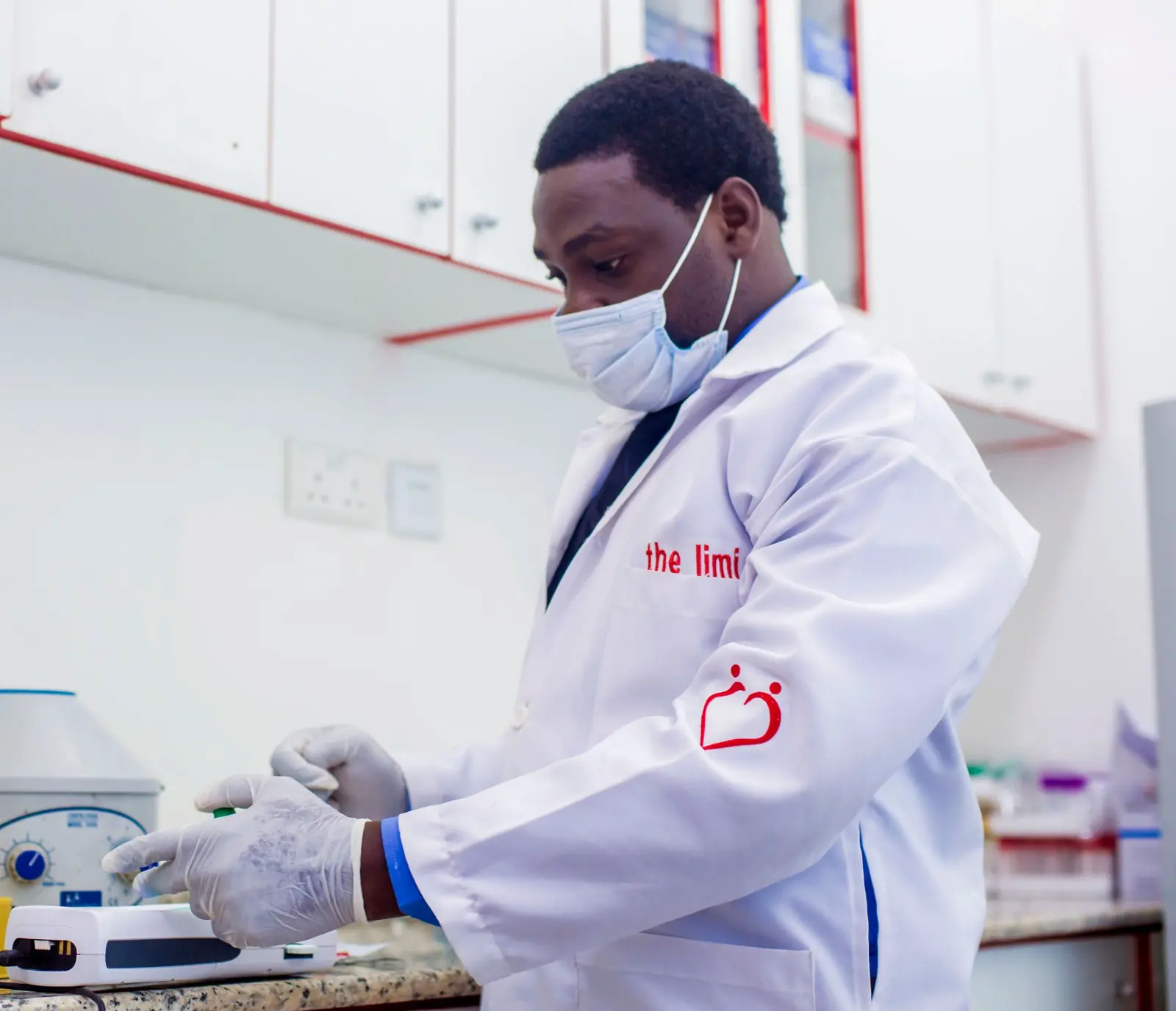
Laboratory results guide diagnosis, procedure preparation, treatment monitoring and emergency decisions. Our service is integrated with outpatient, inpatient, surgical, cath-lab and critical-care pathways.
Prevention works best when assessment is matched to age, symptoms, family history, blood pressure, diabetes, cholesterol, kidney health and daily life. We focus on meaningful screening and a practical plan, not simply producing a report.
A check-up is not about searching for bad news. It is an opportunity to understand risk early, protect health and gain a clearer plan for the years ahead.
These are common starting points, not a diagnostic checklist. The right assessment depends on the full clinical picture.
A family history of heart disease, stroke or sudden cardiac problems
↗High blood pressure, diabetes or high cholesterol
↗A new exercise or work health requirement
↗Several risk factors without current symptoms
↗Follow-up after an abnormal screening result
↗A corporate or executive cardiovascular programme
↗Every capability is selected according to clinical need. Your team should explain why a test, treatment or referral is being considered.
Routine blood chemistry and haematology are processed in our on-site laboratory, which runs more than 1,000 different tests.
→Cardiac biomarkers help confirm or rule out a heart attack when chest pain is being investigated.
→Kidney and liver function tests support diagnosis and ongoing monitoring across specialties.
→HbA1c and lipid profiles are tracked over time to guide diabetes and cholesterol treatment.
→Pre-operative blood tests are completed on-site ahead of surgery.
→Urgent results are prioritised for inpatients and ICU patients whose treatment depends on them.
→Complex medicine feels more manageable when every stage is visible and every question has a place.
History, lifestyle, family patterns and existing conditions define the starting point.
Blood pressure, laboratory tests, ECG or imaging are chosen when they can change a decision.
The team separates normal variation from findings that need attention.
Medicines, follow-up and achievable daily changes are organised by importance.
Repeat assessment is scheduled according to risk rather than fear.
Results are interpreted as part of the patient’s complete clinical picture, not as isolated numbers. This is why patients, families and referring clinicians choose Cardiocare for care that may need more than one specialist or facility.
Consultation, diagnostics, intervention, surgery, ICU/HDU, dialysis and recovery can coordinate without fragmenting the patient journey.
Advanced catheter, device and surgical expertise—including Northern Nigeria’s first cardiac left bundle branch pacing—reflects a culture of clinical progress.
Round-the-clock emergency, ICU and HDU support surrounds patients whose needs may change quickly.
Cardiology works alongside nephrology, endocrinology, neurology, pulmonology, surgery and other specialists when one diagnosis is not the whole story.
International-level cardiovascular capability in Abuja helps families avoid unnecessary travel abroad and remain closer to their support system.
Plain-language teaching, patient guides, support programmes and professional education turn expertise into confidence.
Open each question for a straightforward explanation. Your own clinician should still interpret what it means for you.
Ask the Cardiocare teamThere is no single package for everyone. Appropriate tests depend on age, symptoms, family history and risk factors.
Yes. High blood pressure, diabetes and high cholesterol may cause no obvious symptoms, which is why targeted screening matters.
That is the goal. Findings should be interpreted and connected to clear next steps.
Cardiocare can connect the finding to cardiology, imaging, internal medicine, intervention or another appropriate pathway.
This page is educational and cannot diagnose a condition or determine which treatment is right for an individual. A clinician must assess symptoms, results, medicines and overall health. Severe or rapidly worsening symptoms need urgent care.
Emergency? Go to the nearest emergency department — do not drive yourself. Our cath lab is on standby 24/7.
Call 24/7: +234 806 142 4614