01
Reduced kidney function or abnormal urine tests
↗
Specialist diagnosis and management of kidney disease, fluid balance and difficult hypertension.
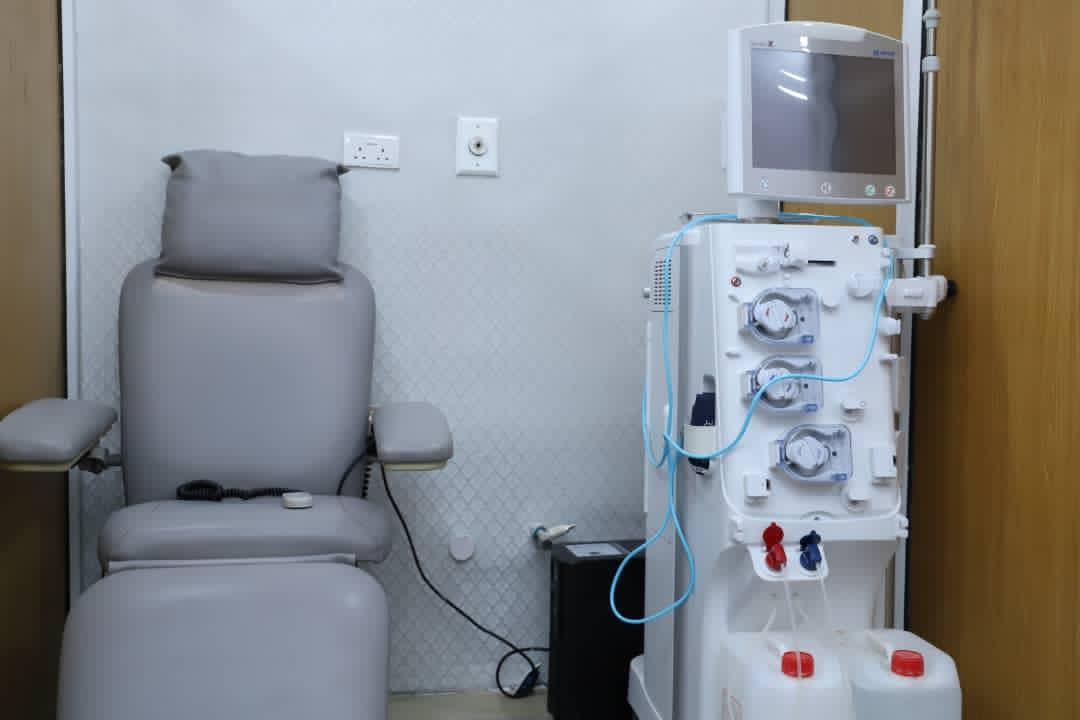
Kidney disease often develops quietly and is closely linked with high blood pressure, diabetes and heart disease. Our nephrology team assesses kidney function, identifies complications and coordinates the appropriate treatment pathway.
The heart and kidneys influence blood pressure, circulation, fluid balance and medicines. Kidney problems can strain the heart, and heart problems can reduce kidney function. Coordinated care helps the team make safer decisions when needs overlap.
Kidney disease can feel like a long list of restrictions and numbers. We focus on clear explanations, realistic routines and a coordinated plan that protects both kidney and cardiovascular health.
These are common starting points, not a diagnostic checklist. The right assessment depends on the full clinical picture.
Reduced kidney function or abnormal urine tests
↗Swelling, breathlessness or difficult fluid balance
↗High blood pressure that remains difficult to control
↗Diabetes with kidney or cardiovascular complications
↗Preparation for dialysis or transplant
↗Heart disease in someone already receiving kidney treatment
↗Every capability is selected according to clinical need. Your team should explain why a test, treatment or referral is being considered.
Covers both sudden kidney injury and long-standing chronic kidney disease.
→Reviews kidney causes when blood pressure remains difficult to control.
→Manages the overlap between kidney and heart disease, where each condition affects the other.
→Investigates and corrects electrolyte and fluid imbalances linked to kidney function.
→Prepares patients approaching the need for dialysis, including planning for access and timing.
→Available for inpatient consultation when an admitted patient's kidney function needs specialist review.
→Complex medicine feels more manageable when every stage is visible and every question has a place.
Kidney function, blood pressure, fluid status, heart symptoms and medicines are reviewed together.
Laboratory tests, urine studies, imaging and cardiovascular assessment show the current risk and options.
Care may include medicines, nutrition guidance, monitoring, dialysis preparation or transplant evaluation.
Electrolytes, fluid balance, blood pressure and treatment response are checked over time.
Nephrology, cardiology, endocrinology, surgery, dialysis and ICU/HDU collaborate when care is complex.
Nephrology, cardiology, endocrinology, dialysis, laboratory and ICU/HDU teams can coordinate around complex patients. This is why patients, families and referring clinicians choose Cardiocare for care that may need more than one specialist or facility.
Consultation, diagnostics, intervention, surgery, ICU/HDU, dialysis and recovery can coordinate without fragmenting the patient journey.
Advanced catheter, device and surgical expertise—including Northern Nigeria’s first cardiac left bundle branch pacing—reflects a culture of clinical progress.
Round-the-clock emergency, ICU and HDU support surrounds patients whose needs may change quickly.
Cardiology works alongside nephrology, endocrinology, neurology, pulmonology, surgery and other specialists when one diagnosis is not the whole story.
International-level cardiovascular capability in Abuja helps families avoid unnecessary travel abroad and remain closer to their support system.
Plain-language teaching, patient guides, support programmes and professional education turn expertise into confidence.
Open each question for a straightforward explanation. Your own clinician should still interpret what it means for you.
Ask the Cardiocare teamBlood pressure, fluid, salts, anaemia and blood-vessel health connect the two systems. Problems in either organ can increase the workload on the other.
No. Many people are managed with monitoring, medicines and treatment of the cause. Dialysis is considered when kidney function and symptoms reach specific clinical thresholds.
Yes, with individual planning. Coordinated nephrology and cardiology review helps manage blood pressure, fluid and medicines.
Some patients have unstable heart, fluid, infection or blood-pressure problems and may need higher-level monitoring during acute care.
Prepare questions, understand warning signs and revisit explanations at your own pace.
This page is educational and cannot diagnose a condition or determine which treatment is right for an individual. A clinician must assess symptoms, results, medicines and overall health. Severe or rapidly worsening symptoms need urgent care.
Emergency? Go to the nearest emergency department — do not drive yourself. Our cath lab is on standby 24/7.
Call 24/7: +234 806 142 4614