01
Breathlessness, fatigue or reduced exercise capacity from a narrowed or leaking valve
↗
Repair or replacement for selected diseased heart valves.
Worried about cost? You'll get a written estimate before any planned procedure.
Valve disease can affect breathing, energy, rhythm and heart function. Our team evaluates the valve, the heart’s performance and the patient’s wider health before recommending surveillance, intervention or surgery.
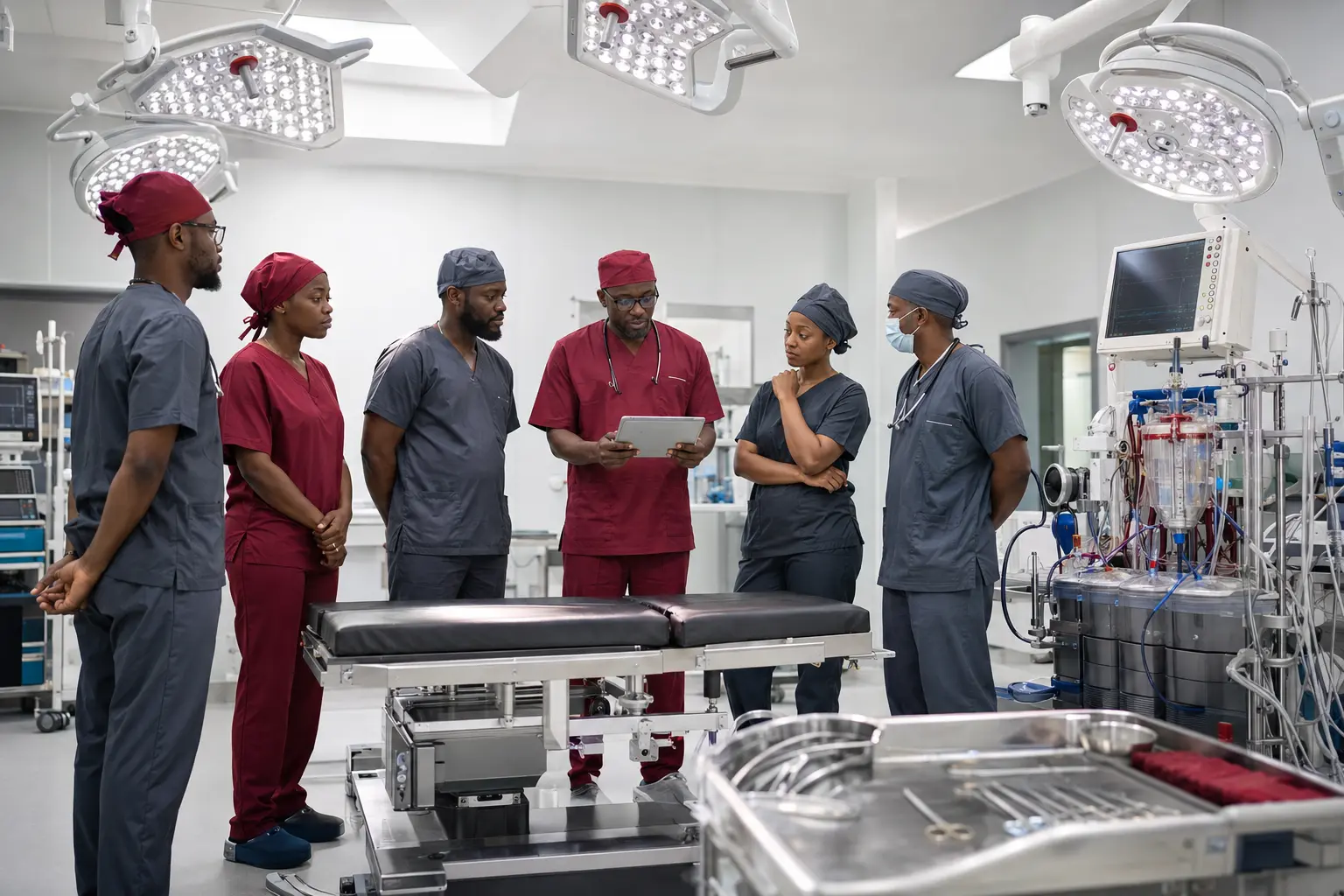
Cardiac surgery may repair or replace a valve, improve blood supply to the heart, correct a congenital problem or treat another structural condition. Safe surgery begins with a balanced heart-team decision and continues through preparation, anaesthesia, intensive care, physiotherapy and follow-up.
Being told you may need heart surgery can feel overwhelming. We slow the conversation down, explain the reason for each step and give families a clear view of preparation, hospital recovery and life after surgery.
These are common starting points, not a diagnostic checklist. The right assessment depends on the full clinical picture.
Breathlessness, fatigue or reduced exercise capacity from a narrowed or leaking valve
↗A narrowed or leaking heart valve
↗A congenital heart defect
↗Selected disease of the aorta or structures around the heart
↗A combined heart problem requiring more than one procedure
↗A second opinion after angiography or cardiac imaging
↗Every capability is selected according to clinical need. Your team should explain why a test, treatment or referral is being considered.
Mitral valve disease is repaired or replaced depending on which gives the better long-term result.
→Aortic valve disease is treated by repair or replacement in our cardiac surgery theatre.
→Tricuspid valve problems are corrected, often alongside surgery on another valve.
→Echocardiography before surgery confirms which valve procedure is needed.
→Recovery begins in cardiac ICU before follow-up echocardiography checks the repaired or replaced valve.
→Complex medicine feels more manageable when every stage is visible and every question has a place.
Cardiologists, surgeons and imaging specialists review whether surgery is the right option and discuss alternatives.
Medical conditions, medicines, dental health, laboratory results, anaesthetic risk and family support are reviewed.
Cardiac surgery, anaesthesia, perfusion, theatre nursing and monitoring teams work from one agreed plan.
Dedicated postoperative monitoring supports breathing, circulation, comfort and early recovery.
Physiotherapy, wound review, medicines, rehabilitation and follow-up guide the return home and beyond.
Advanced imaging, cardiac anaesthesia, surgery and intensive care are coordinated around one treatment plan. This is why patients, families and referring clinicians choose Cardiocare for care that may need more than one specialist or facility.
Consultation, diagnostics, intervention, surgery, ICU/HDU, dialysis and recovery can coordinate without fragmenting the patient journey.
Advanced catheter, device and surgical expertise—including Northern Nigeria’s first cardiac left bundle branch pacing—reflects a culture of clinical progress.
Round-the-clock emergency, ICU and HDU support surrounds patients whose needs may change quickly.
Cardiology works alongside nephrology, endocrinology, neurology, pulmonology, surgery and other specialists when one diagnosis is not the whole story.
International-level cardiovascular capability in Abuja helps families avoid unnecessary travel abroad and remain closer to their support system.
Plain-language teaching, patient guides, support programmes and professional education turn expertise into confidence.
Open each question for a straightforward explanation. Your own clinician should still interpret what it means for you.
Ask the Cardiocare teamThe decision depends on the valve involved, the disease pattern, anatomy and expected long-term durability. A multidisciplinary heart team helps balance the options.
The team reviews tests, medicines and other health conditions, explains preparation and confirms the planned procedure and recovery pathway.
Cardiac surgery patients usually receive close postoperative monitoring in ICU before moving to a lower-acuity recovery area when stable.
Recovery includes gradual activity, breathing exercises, wound care, medicine review, good nutrition and scheduled clinical follow-up.
Prepare questions, understand warning signs and revisit explanations at your own pace.
This page is educational and cannot diagnose a condition or determine which treatment is right for an individual. A clinician must assess symptoms, results, medicines and overall health. Severe or rapidly worsening symptoms need urgent care.
Emergency? Go to the nearest emergency department — do not drive yourself. Our cath lab is on standby 24/7.
Call 24/7: +234 806 142 4614