01
A confirmed condition that may need surgical treatment
↗
Specialist surgical assessment for selected brain, spine and nerve conditions.
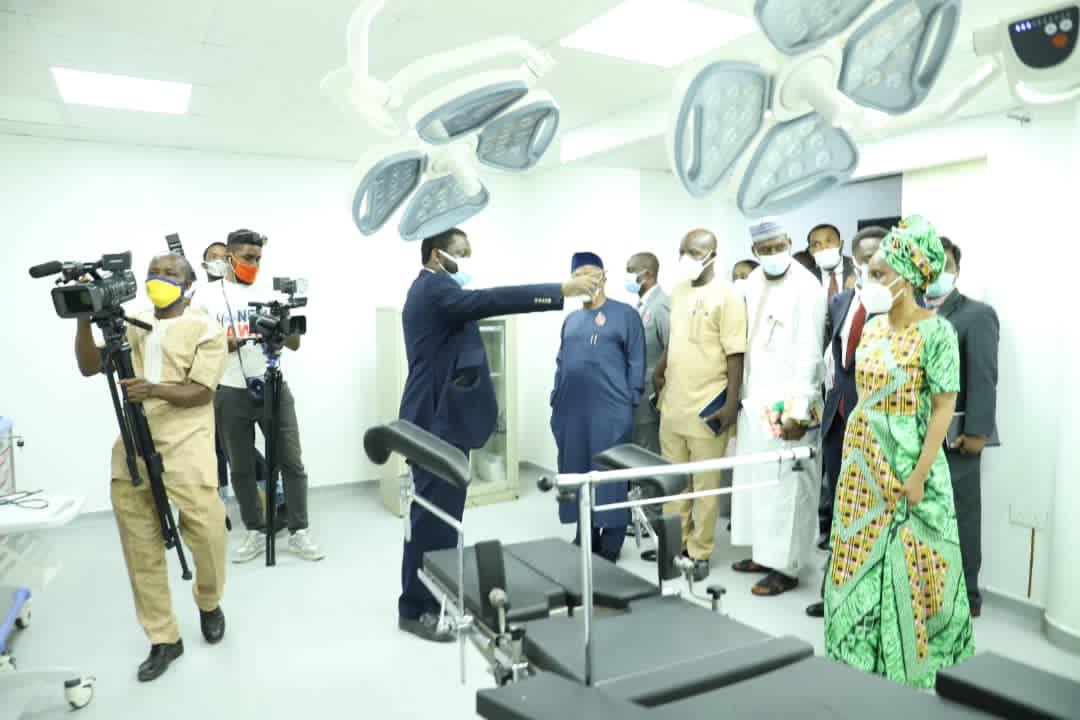
Neurosurgical care begins with careful diagnosis and a clear discussion of whether surgery is necessary. Our pathway connects neurological assessment, imaging, anaesthesia, intensive care and postoperative rehabilitation.
Advanced surgical care begins with specialist review and an honest discussion of benefits, risks and alternatives. When surgery is appropriate, preparation, anaesthesia, theatre, postoperative monitoring, pain management and rehabilitation become one connected pathway.
A surgical recommendation should never feel like a rushed instruction. Patients and families deserve time to understand why it is being considered and what recovery may involve.
These are common starting points, not a diagnostic checklist. The right assessment depends on the full clinical picture.
A confirmed condition that may need surgical treatment
↗Symptoms or function worsening despite other care
↗An imaging result requiring a specialist surgical opinion
↗A second opinion about whether or when to operate
↗Pre-operative optimisation for a complex patient
↗Postoperative review or rehabilitation planning
↗Every capability is selected according to clinical need. Your team should explain why a test, treatment or referral is being considered.
Brain and spine conditions are assessed to determine whether surgery is appropriate.
→Available for urgent consultation on head injury and other neurosurgical emergencies.
→Degenerative spine conditions causing pain or nerve compression are assessed for surgical or non-surgical treatment.
→Selected brain and spine tumours are assessed for surgical removal.
→Medical fitness is reviewed and optimised before a patient proceeds to neurosurgery.
→Recovery after surgery is supported in ICU/HDU before stepping down to the ward.
→Complex medicine feels more manageable when every stage is visible and every question has a place.
The surgeon reviews symptoms, examination and imaging before recommending an operation.
Benefits, risks, non-surgical alternatives and expected recovery are explained.
Anaesthesia and medical teams optimise health and plan monitoring.
The theatre team works from a clear procedural and safety plan.
Ward or ICU/HDU care, rehabilitation and follow-up support healing and function.
Neurosurgery is supported by neurology, advanced imaging, experienced anaesthesia, critical care and inpatient rehabilitation. This is why patients, families and referring clinicians choose Cardiocare for care that may need more than one specialist or facility.
Consultation, diagnostics, intervention, surgery, ICU/HDU, dialysis and recovery can coordinate without fragmenting the patient journey.
Advanced catheter, device and surgical expertise—including Northern Nigeria’s first cardiac left bundle branch pacing—reflects a culture of clinical progress.
Round-the-clock emergency, ICU and HDU support surrounds patients whose needs may change quickly.
Cardiology works alongside nephrology, endocrinology, neurology, pulmonology, surgery and other specialists when one diagnosis is not the whole story.
International-level cardiovascular capability in Abuja helps families avoid unnecessary travel abroad and remain closer to their support system.
Plain-language teaching, patient guides, support programmes and professional education turn expertise into confidence.
Open each question for a straightforward explanation. Your own clinician should still interpret what it means for you.
Ask the Cardiocare teamNo. A surgical consultation helps decide whether an operation is useful, when it should happen and what alternatives exist.
The team considers the condition, planned procedure, age, medicines, heart and lung health, kidney function and other individual factors.
Recovery may begin in ICU/HDU or a ward depending on the operation and clinical needs.
Patients receive instructions on medicines, wound care, activity, warning signs and scheduled review.
This page is educational and cannot diagnose a condition or determine which treatment is right for an individual. A clinician must assess symptoms, results, medicines and overall health. Severe or rapidly worsening symptoms need urgent care.
Emergency? Go to the nearest emergency department — do not drive yourself. Our cath lab is on standby 24/7.
Call 24/7: +234 806 142 4614