01
Admission needed for a medical condition requiring inpatient investigation, monitoring or treatment
↗
Coordinated ward-based care with rapid access to specialist review and escalation.
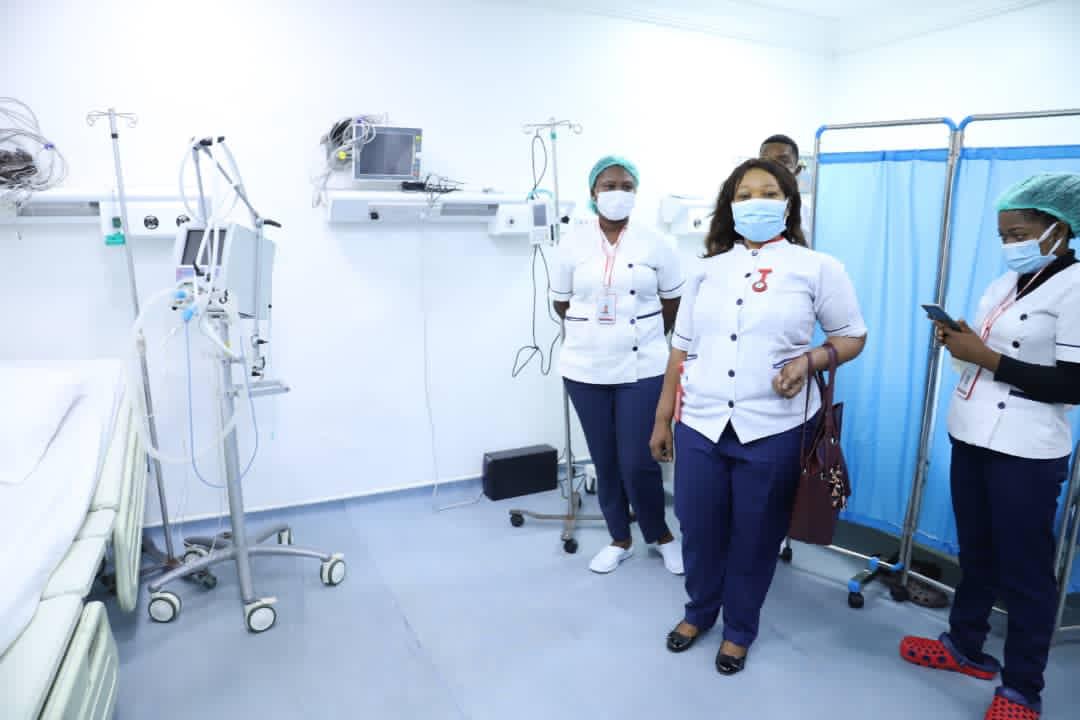
Some illnesses need observation, treatment and repeated review in hospital. Our inpatient teams coordinate nursing, medical specialists, pharmacy, diagnostics, nutrition, rehabilitation and discharge planning.
Critical and high-dependency care provide closer observation, rapid treatment and organ support for people who are seriously unwell or recovering from complex procedures and surgery. Cardiocare’s model keeps cardiology, surgery, nephrology, dialysis, imaging and laboratory support within one hospital.
Critical illness is frightening for patients and families. Our role is to combine vigilant clinical care with calm, honest communication and a clear plan for each stage of recovery.
These are common starting points, not a diagnostic checklist. The right assessment depends on the full clinical picture.
Admission needed for a medical condition requiring inpatient investigation, monitoring or treatment
↗A planned admission for elective care coordinated in advance with your specialist team
↗Recovery on the ward after a procedure that does not require intensive care
↗A condition needing several specialists to review you during one hospital stay
↗Questions about HMO or insurance authorisation before or during an admission
↗Planning a safe discharge, with follow-up and medicines organised before you leave
↗Every capability is selected according to clinical need. Your team should explain why a test, treatment or referral is being considered.
A consultant physician leads the daily review of every admitted patient.
→Admission is to a private, monitored bed within our purpose-built facility.
→Other specialists are brought in to consult on the case without the patient needing to be transferred elsewhere.
→Pharmacy and laboratory services are available on-site to support inpatient treatment.
→Patients are escalated to HDU or ICU if their condition changes.
→Discharge planning and a follow-up appointment are arranged before the patient leaves.
→Complex medicine feels more manageable when every stage is visible and every question has a place.
Your specialist team coordinates the reason for admission, expected tests or treatment, and the likely length of stay.
Nursing and medical teams monitor your condition, give treatment and coordinate any tests needed during your stay.
Cardiology, surgery and other relevant teams review you together when more than one specialty is involved.
The team keeps you and your family updated on progress and any change to the plan.
Follow-up, medicines and any home support are organised before you leave, so recovery continues smoothly at home.
One hospital system connects ward care with cardiology, surgery, dialysis, imaging and round-the-clock critical care. This is why patients, families and referring clinicians choose Cardiocare for care that may need more than one specialist or facility.
Consultation, diagnostics, intervention, surgery, ICU/HDU, dialysis and recovery can coordinate without fragmenting the patient journey.
Advanced catheter, device and surgical expertise—including Northern Nigeria’s first cardiac left bundle branch pacing—reflects a culture of clinical progress.
Round-the-clock emergency, ICU and HDU support surrounds patients whose needs may change quickly.
Cardiology works alongside nephrology, endocrinology, neurology, pulmonology, surgery and other specialists when one diagnosis is not the whole story.
International-level cardiovascular capability in Abuja helps families avoid unnecessary travel abroad and remain closer to their support system.
Plain-language teaching, patient guides, support programmes and professional education turn expertise into confidence.
Open each question for a straightforward explanation. Your own clinician should still interpret what it means for you.
Ask the Cardiocare teamVisiting hours are set to protect rest, privacy and infection control. The ward team confirms current times, single-visitor guidance and any admission-specific arrangements when you arrive.
The admissions team helps verify HMO or insurance authorisation as early as possible, and can also discuss corporate or self-pay arrangements before or shortly after admission.
A consultant-led team coordinates nursing, medical specialists, pharmacy and diagnostics, calling in any other specialty the ward team feels is needed.
Discharge is planned in advance — medicines, wound or follow-up instructions, outstanding results and your next appointment are arranged before you leave, with a clear route back to us if anything changes.
This page is educational and cannot diagnose a condition or determine which treatment is right for an individual. A clinician must assess symptoms, results, medicines and overall health. Severe or rapidly worsening symptoms need urgent care.
Emergency? Go to the nearest emergency department — do not drive yourself. Our cath lab is on standby 24/7.
Call 24/7: +234 806 142 4614